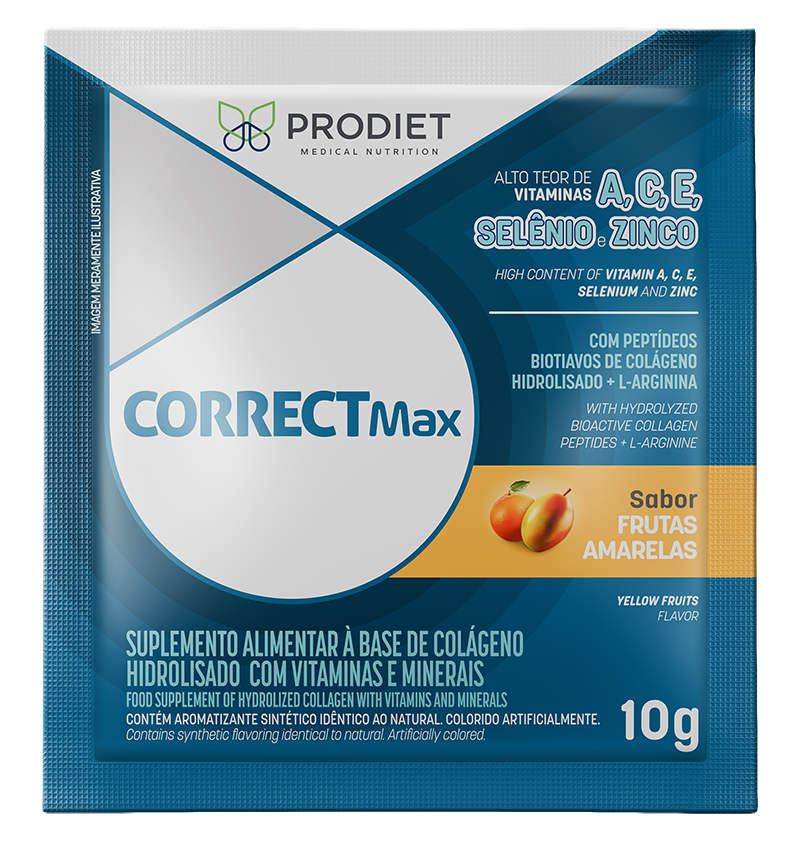
10g of hydrolyzed collagen bioactive peptides

3g L-arginine

612mcg of vitamin A

508mg of vitamin C

15.2mg vitamin E

30mcg selenium

15.2mg zinc

Prodiet's newest product

A faster and more efficient recovery

CORRECTMax has the ideal concentration of signaling nutrients that enhance the wound healing process, contributing to recovery from the inside out.

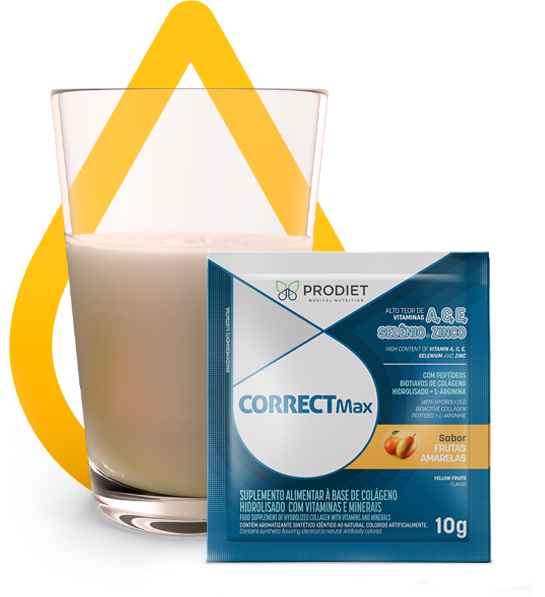
CORRECTMax is a powdered food supplement with biota peptides of hydrolyzed collagen and arginine, nutrients recognized for their role in wound healing.

The consumption of specific nutrients can help:

Reducing healing time
6.

Impacting on
quality of life 1,3.

Reducing costs with
dressings and other necessary
devices 1,3,13.

An adequate supply of nutrients involved in healing contributes to faster and more efficient recovery3,4.
They speed up the healing phases and help recovery from the inside out2-12.

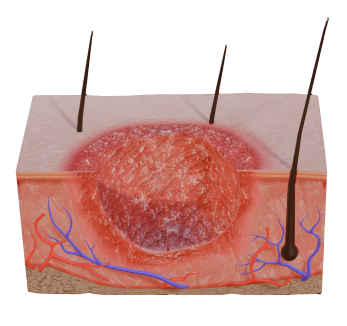
PHASES OF HEALING

INFLAMMATORY

Around 4 to 6 days
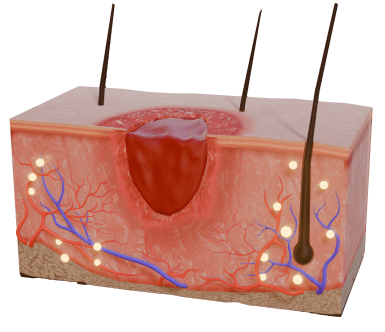
PROLIFERATIVE

Around 2 to 3 weeks
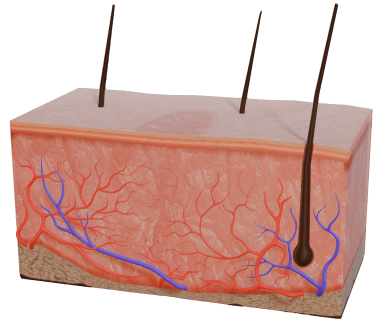
REMODELING

Up to 2 years
Its use is recommended in:

1

Acute wound cases:

burns, cuts, pressure injuries, trauma and other situations 3-4.

3

Pre- and post-operative:

Both in pre-surgical preparation and in the post-operative period of small to large surgeries.

Pre- and post-operative:

Both in pre-surgical preparation and in the post-operative period of small to large surgeries.

2

Chronic wound cases:

Diabetic foot, venous insufficiency and/or infected wounds 3-4.

A better life
for patients.

CORRECTMax is a powdered food supplement with bioactive hydrolyzed collagen peptides, vitamins and minerals. It can be consumed especially by those who need a diet enriched with nutrients that signal healing.

With CORRECTMax, consuming these nutrients is much simpler and tastier. With its pleasant yellow fruit flavor, CORRECTMax dilutes quickly, making it very practical to use in both hospital and routine home care.

We suggest consuming
2 sachets a day.

Preparation


Dilute the contents of 1 sachet (10g) in 100ml of water or other preferred drink.

Find out where to buy
CORRECTMax.

Get access to our monograph
and clinical reports!

Get full access to our monograph and case studies,
highlighting the benefits of intervention with specific nutrients.


Name 
E-mail *
Telephone 
City 
*Mandatory
Please note: It is our responsibility to protect your privacy and we guarantee that your data will be completely confidential.

Frequently Asked Questions

35 Kcal/sachet.

The collagen we use in CORRECTMax is a collagen that undergoes specific enzymatic hydrolysis, which determines a molecular weight of 2kDa, which has a signaling potential for specific skin cells, which are the
fibroblasts. Today we have studies that prove the efficacy of supplementation with hydrolyzed collagen peptides in lesions.

CORRECTMax has 7g of protein per sachet. Each sachet contains 5g of hydrolyzed collagen peptides, whose function is to signal fibroblasts to the skin. It's important to note that CORRECTMax has the function of supplementing specific nutrients for healing signaling, and not just for protein supplementation. In addition, CORRECTMax's protein source is concentrated milk protein.

CORRECTMax contains concentrated milk protein, which intrinsically contains lactose.

We have selected five nutrients that are directly associated with the synthesis of endogenous collagen, allowing the healing process to be accelerated.

We recommend using two sachets a day, but there is flexibility of use depending on professional assessment. In order to define the maximum daily dose, special consideration should be given to the vitamin content of the product, as should be done with any product.

CORRECTMax is indicated for adults.

Isomaltulose is a slowly absorbed carbohydrate that can contribute to an adequate glycemic response, as well as helping the product's palatability.

CORRECTMax has no added sucrose or simple carbohydrates, making it ideal for promoting glycemic control.

No. CORRECTMax contains a combination of nutrients that signal healing, without the need for lipids.

Yes, CORRECTMax can be administered both orally and enterally, supplementing the diet already provided to the patient with nutrients that signal the healing process, respecting the dilution and method of preparation.

So as not to inhibit the inflammation process which, physiologically, should occur during the inflammatory phase of healing.

Non-advertising technical and scientific material intended exclusively for health professionals. Distribution prohibited to
consumers. Information for patients and the general public, please contact our call center: 0800 702 8845

REFERENCES

1. Allen B. Effects of a comprehensive nutritional program on pressure ulcer healing, length of hospital stay, and charges to patients. Clin Nurs Res. 2013;22(2):186-205. 2. Bottoni A et al. Role of Nutrition in Healing. Revista Ciências em Saúde V1, N 1, Apr 2011. 3. Brazilian Society of Parenteral and Enteral Nutrition (BRASPEN). Say No to Pressure Injury Campaign. BRASPEN J 2020; 35 (Suppl. 1). 4. National Pressure Ulcer Advisory Panel, European Pressure Ulcer Advisory Panel and Pan Pacific Pressure Injury Alliance. Prevention and treatment of pressure ulcers: quick reference guide. Osborne Park: Cambridge Media; 2019. 5. Gould A et al. Arginine metabolism and wound healing. Wound Healing Southern Africa 2008;1(1): 48-50. 6. Miyab KB et al. The effect of a hydrolyzed collagen-based supplement on wound healing in patients with burn: A randomized double-blind pilot clinical trial. Burns. 2020 Feb;46(1):156-163. 7. Sugihara F et al. Ingestion of bioactive collagen hydrolysates enhanced pressure ulcer healing in a randomized double-blind placebo-controlled clinical study. Sci Rep. 2018 Jul 30;8(1):11403. 8. Mistry K et al. Potentiating cutaneous wound healing in young and aged skin with nutraceutical collagen peptides. Clin Exp Dermatol. 2021 Jan;46(1):109-117. 9. Moores J. Vitamin C: a wound healing perspective. Br J Community Nurs. 2013 Dec;Suppl:56, S8-11. 10. Polcz ME, Barbul A. The Role of Vitamin A in Wound Healing. Nutr Clin Pract. 2019 Oct;34(5):695-700. 11. Thompson C, Fuhrman MP. Nutrients and wound healing: still searching for the magic bullet. Nutr Clin Pract 2005; 20(3):331-347. 12. Palmieri B, Vadalà M, Laurino C. Nutrition in wound healing: investigation of the molecular mechanisms, a narrative review. J Wound Care. 2019 Oct 2;28(10):683-693. 13. Waitzberg, DL. Oral, enteral and parenteral nutrition in clinical practice. São Paulo: Atheneu Publishing House, 2009. 4th edition.

Access the content